
The Ultimate Guide to Box Truck Dispatching for New Truckers


Understanding Box Truck Dispatching
Box truck dispatching is an essential aspect of the trucking industry, especially for new truckers looking to maximize efficiency and profitability. It's the process of planning, scheduling, and coordinating the movements of box trucks. Proper dispatching ensures that goods are delivered on time and routes are optimized for cost and time efficiency.
The Importance of Efficient Dispatching
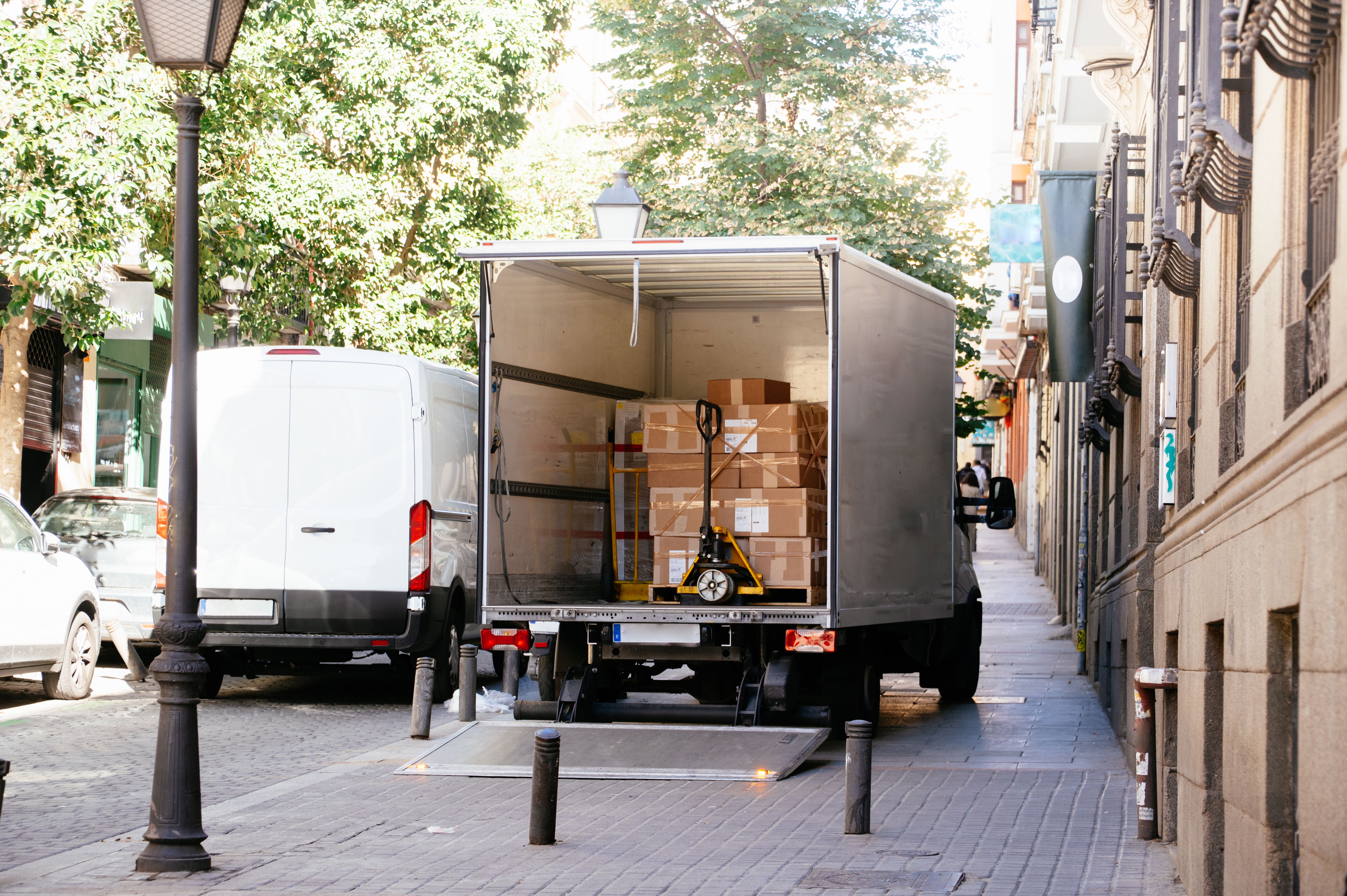
An efficient dispatch system can make the difference between a successful trucking business and one that's constantly struggling. Dispatching involves managing routes, tracking deliveries, and communicating with drivers. This helps in reducing downtime and increasing the number of deliveries made.
Key Components of Box Truck Dispatching
Several elements are integral to effective box truck dispatching. These include:
- Route Optimization: Planning the most efficient routes to save time and fuel.
- Scheduling: Ensuring that deliveries are made on time and that drivers have manageable shifts.
- Communication: Keeping an open line of communication between dispatchers and drivers.

Tools and Technology
In today’s digital age, there are numerous tools available to aid in box truck dispatching. GPS systems, route planning software, and mobile apps can greatly enhance the efficiency of dispatch operations. These technologies provide real-time tracking, allowing dispatchers to react promptly to any changes or issues on the road.
Developing a Successful Dispatch Strategy
Creating a successful dispatch strategy involves understanding the unique needs of your business and the markets you serve. Start by analyzing your routes and identifying any recurring issues or bottlenecks. Regularly update your strategy to adapt to changes in demand or road conditions.

Training and Support
Training is crucial for both dispatchers and drivers. Providing ongoing training ensures that everyone is up-to-date with the latest technologies and best practices in dispatching. Support systems should also be in place to assist drivers and dispatchers in resolving any issues that arise during deliveries.
Challenges in Box Truck Dispatching
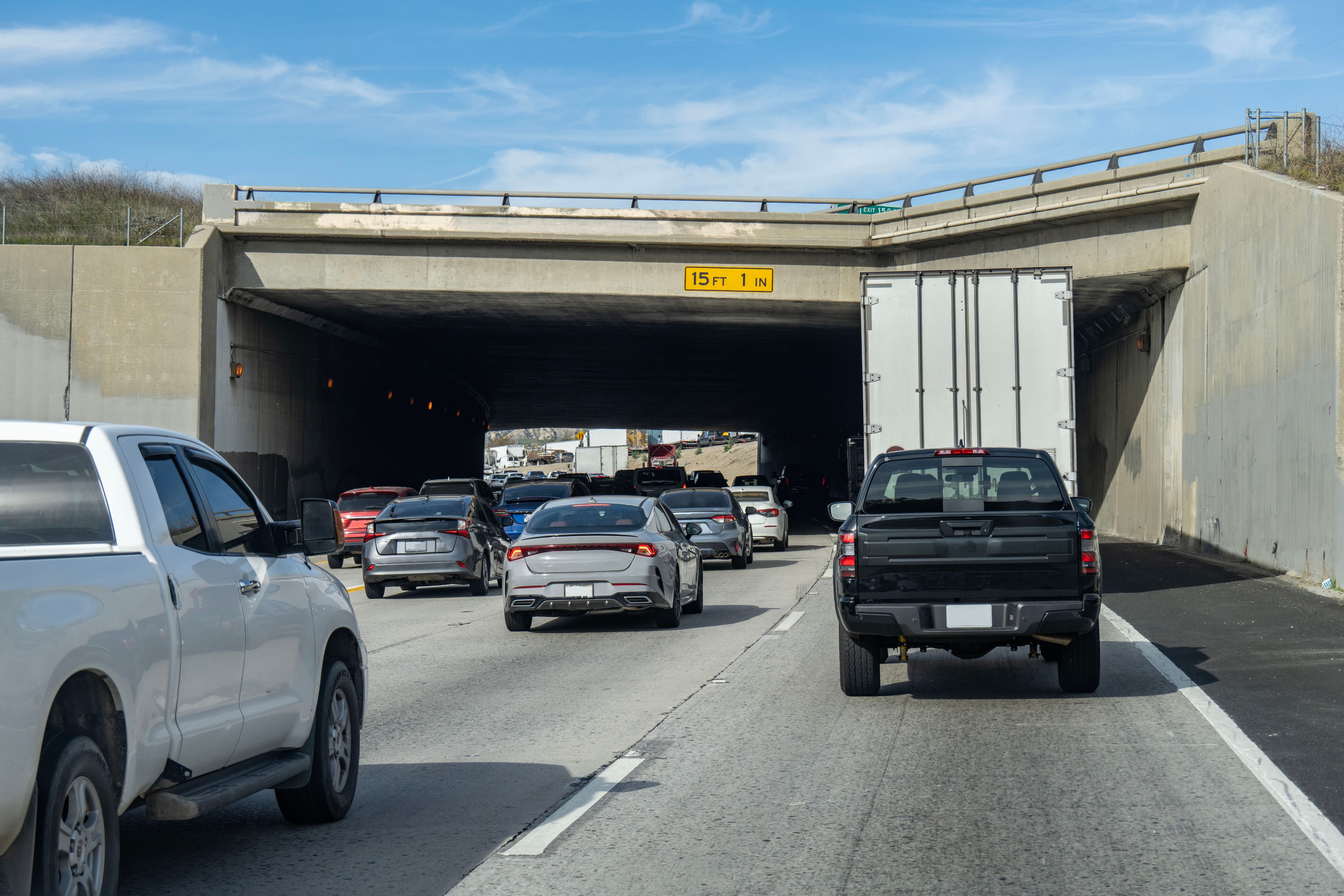
Despite the best plans, challenges such as traffic, weather conditions, and vehicle breakdowns can impact dispatch operations. Being prepared with contingency plans and having a responsive team can mitigate these challenges, ensuring minimal disruption to delivery schedules.
Conclusion
Box truck dispatching is a vital component of the trucking industry, particularly for new truckers. By leveraging modern technology, developing efficient strategies, and providing comprehensive training, truckers can optimize their dispatch operations. This will lead to increased efficiency, customer satisfaction, and ultimately, the growth of their trucking business.