
Seasonal Trucking Tips: Preparing Your Box Truck for Winter Routes


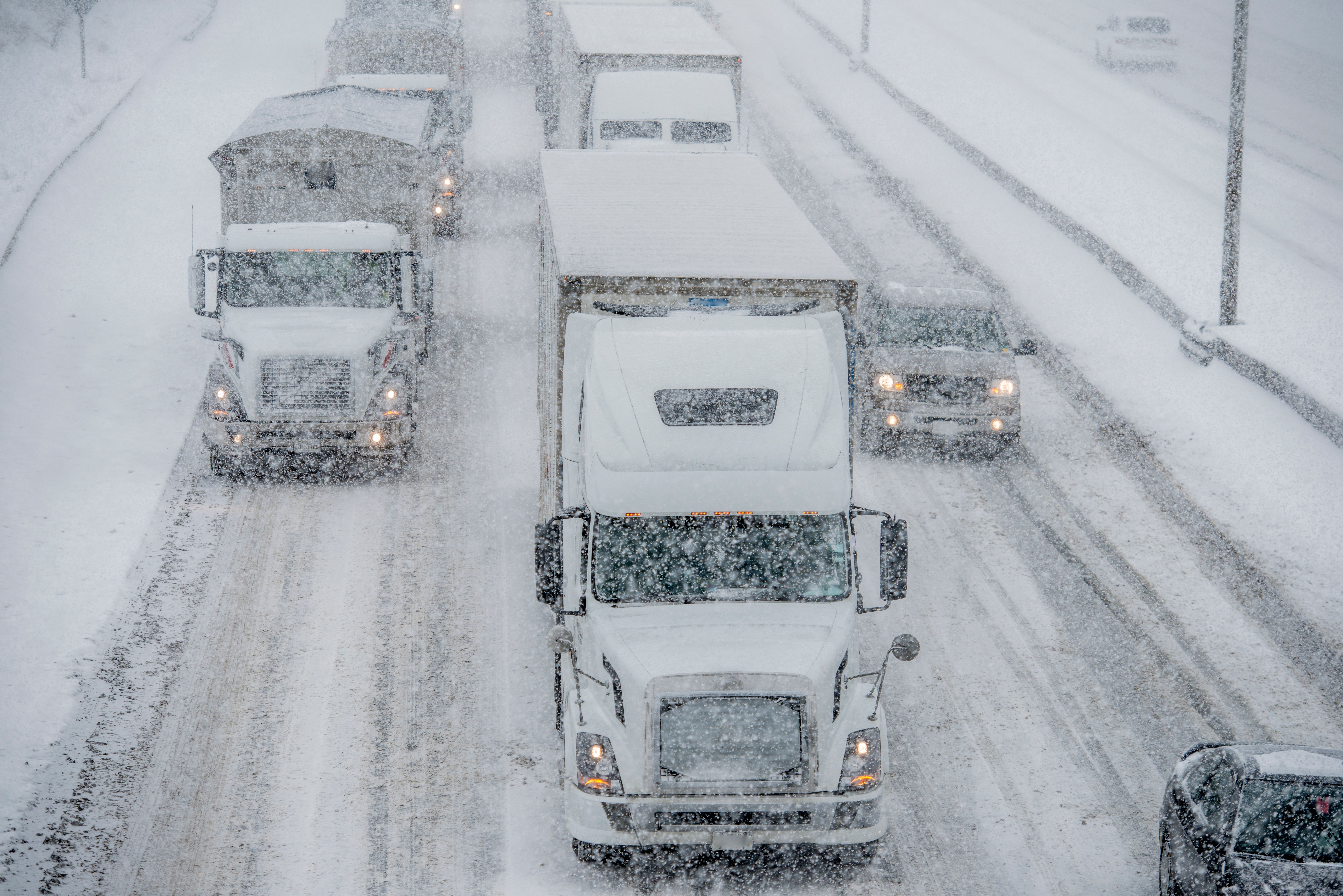
As the winter months approach, truck drivers must prepare their box trucks for the challenges of cold weather and icy roads. Proper preparation not only ensures safety but also helps maintain efficiency during this season. Here are some essential tips to get your box truck ready for winter routes.
Inspect and Maintain Your Vehicle
The first step in preparing for winter trucking is to conduct a thorough inspection of your vehicle. Check the engine, brakes, and tires to ensure they are in optimal condition. Pay special attention to tire tread depth and pressure, as these are crucial for maintaining traction on icy roads.
Additionally, make sure your battery is fully charged and in good working order. Cold temperatures can significantly reduce battery performance, so consider investing in a high-quality battery if needed.

Winterize Your Box Truck
Winterizing your box truck involves several key steps. Start by replacing summer fluids with winter-grade alternatives. Use antifreeze in the engine coolant system, and switch to a winter-grade windshield washer fluid to prevent freezing.
It's also important to ensure that your heater and defroster are functioning properly. These systems are essential for maintaining visibility and keeping the cabin comfortable during long hauls.
Pack an Emergency Kit
Having an emergency kit on board can be a lifesaver in winter conditions. Your kit should include items such as:
- Warm clothing and blankets
- Non-perishable food and water
- A flashlight and extra batteries
- A first aid kit
- Basic tools and spare parts
In addition, consider carrying sand or cat litter to help with traction if you get stuck in snow or ice.
Plan Your Routes Carefully
Winter weather can make certain routes treacherous, so it's crucial to plan ahead. Check weather forecasts regularly and be prepared to adjust your route to avoid severe conditions. Opt for roads that are well-maintained and frequently cleared of snow.
Technology can be a great ally in this regard. Use GPS systems and trucking apps to stay informed about road conditions and potential hazards.

Practice Safe Driving Techniques
Even with all the right preparations, driving in winter conditions requires extra caution. Reduce your speed and increase your following distance to allow for longer stopping times on icy roads. Use your headlights during the day for better visibility, and avoid sudden movements that could lead to skidding.
Remember that bridges and overpasses can freeze before other surfaces, so approach these areas with care. Maintaining a steady speed and avoiding abrupt braking can help you navigate these sections safely.
Stay Informed and Adapt
Staying informed about the latest weather updates and road conditions is vital during winter trucking. Use radio, apps, and other resources to gather real-time information. Be ready to adapt to changing conditions by having alternative plans and routes in place.
Finally, always prioritize safety over schedules. Delays may be inconvenient, but they are preferable to accidents or breakdowns. By taking these steps, you can ensure a safer and more efficient trucking experience throughout the winter months.