
Seasonal Dispatching Strategies for Box Truck Owners


Running a box truck business requires not only efficient management of day-to-day operations but also strategic planning to adjust for seasonal changes. Understanding and implementing seasonal dispatching strategies can significantly impact your bottom line. Adapting to customer demand, weather conditions, and regional variations is crucial for maintaining profitability throughout the year.

Understanding Seasonal Demand
Each season brings its own set of challenges and opportunities for box truck owners. Spring and summer are often the busiest times for moving services, retail deliveries, and event logistics. In contrast, demand may slow in the fall and winter months, except during the holiday season when retail shipping peaks.
To effectively manage these fluctuations, it's important to analyze historical data from previous years. This helps predict demand patterns and allows you to allocate resources efficiently. Consider investing in dispatch software that provides analytics and insights into seasonal trends.

Optimizing Routes for Weather Conditions
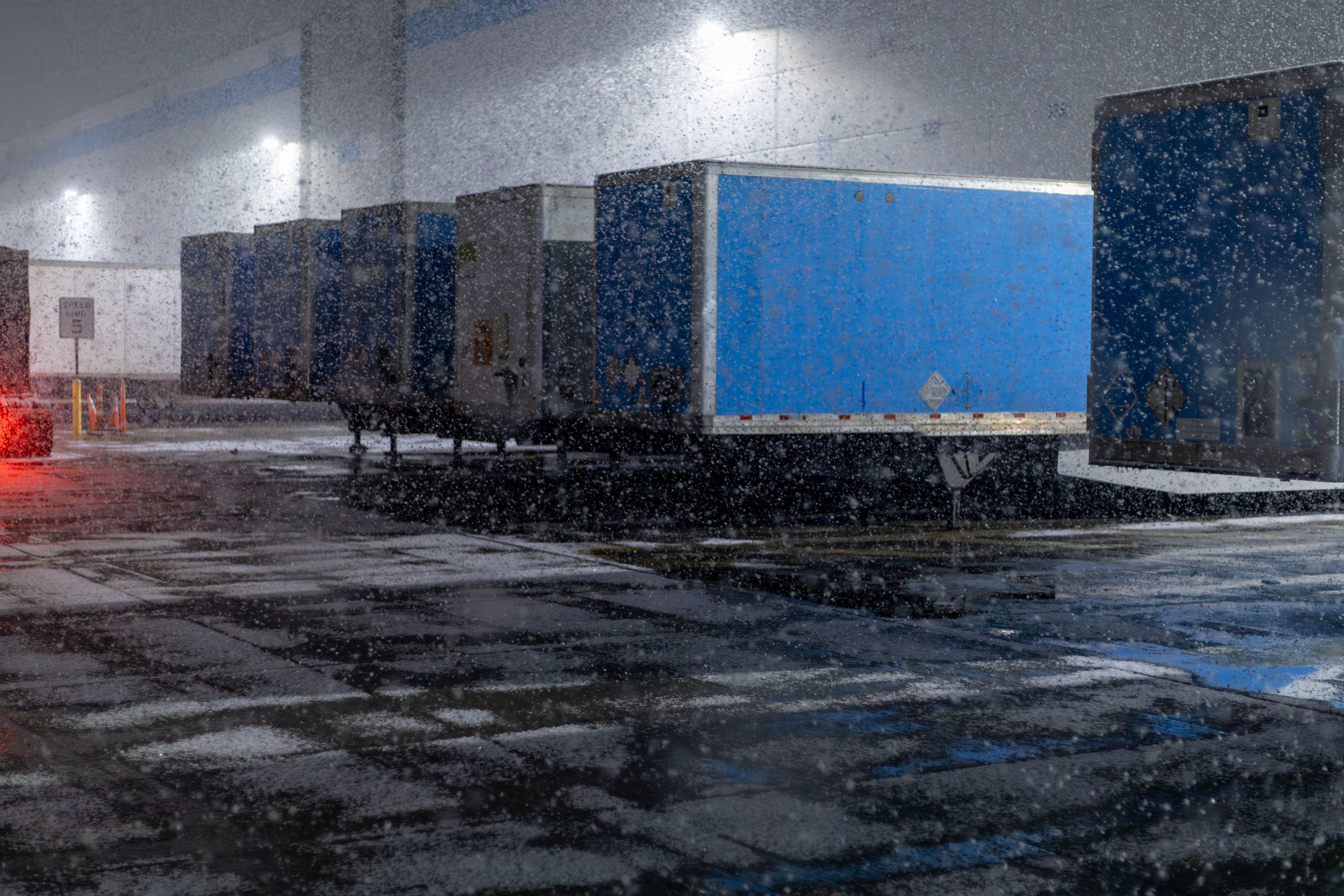
Weather can significantly impact delivery schedules and routes. During winter, icy roads and snow can cause delays, while summer heat may affect truck performance. To mitigate these issues, it's essential to plan routes that account for potential weather disruptions.
Real-time tracking and GPS technology enable dispatchers to make informed decisions, rerouting drivers as needed to avoid severe weather conditions. Regular vehicle maintenance is also critical to ensure that trucks are prepared for extreme temperatures and road conditions.
Staffing and Resource Management
Seasonal demand fluctuations affect staffing needs. During peak seasons, additional drivers may be required, whereas, in slower months, you may need to optimize your current workforce to reduce costs. Establishing a reliable network of part-time or temporary drivers can provide flexibility and help meet increased demand without long-term commitments.
Training your team to handle seasonal changes is equally important. Ensure that all drivers are familiar with updated routes, safety protocols, and customer service expectations to maintain high standards during busy periods.
Utilizing Technology for Efficiency
Leveraging technology is key to enhancing dispatching efficiency. Advanced dispatch software can automate scheduling, optimize routes, and manage customer communications. This not only reduces the chance of human error but also improves overall service quality.
Consider investing in mobile applications that allow drivers to update their status in real-time, enabling dispatchers to make adjustments promptly. This connectivity ensures that all team members are aligned and informed, enhancing operational efficiency.

Building Customer Relationships
Strong customer relationships are vital, especially during peak seasons. Clear communication regarding delivery times and potential delays helps manage customer expectations. Offering incentives for early bookings or repeat business can also foster loyalty.
Feedback loops are valuable for understanding customer needs and improving service. Encourage customers to provide reviews and use this information to refine your dispatching strategies.
In conclusion, adapting to seasonal changes requires a proactive approach to dispatching strategies. By analyzing demand, planning for weather impacts, managing resources, utilizing technology, and building strong customer relationships, box truck owners can ensure their business thrives year-round.