
Dispatching vs. Driving: Which Path to Financial Freedom?


Understanding the Roles: Dispatching and Driving
In the logistics and transportation industry, both dispatching and driving are crucial roles. While drivers are responsible for transporting goods from one location to another, dispatchers coordinate the logistics behind the scenes. Both paths offer unique opportunities and challenges, but which one leads to financial freedom?
Choosing between dispatching and driving can be a pivotal decision for those entering the industry. Each career path has its own set of requirements, benefits, and potential earnings. Understanding these factors can help you make an informed choice.
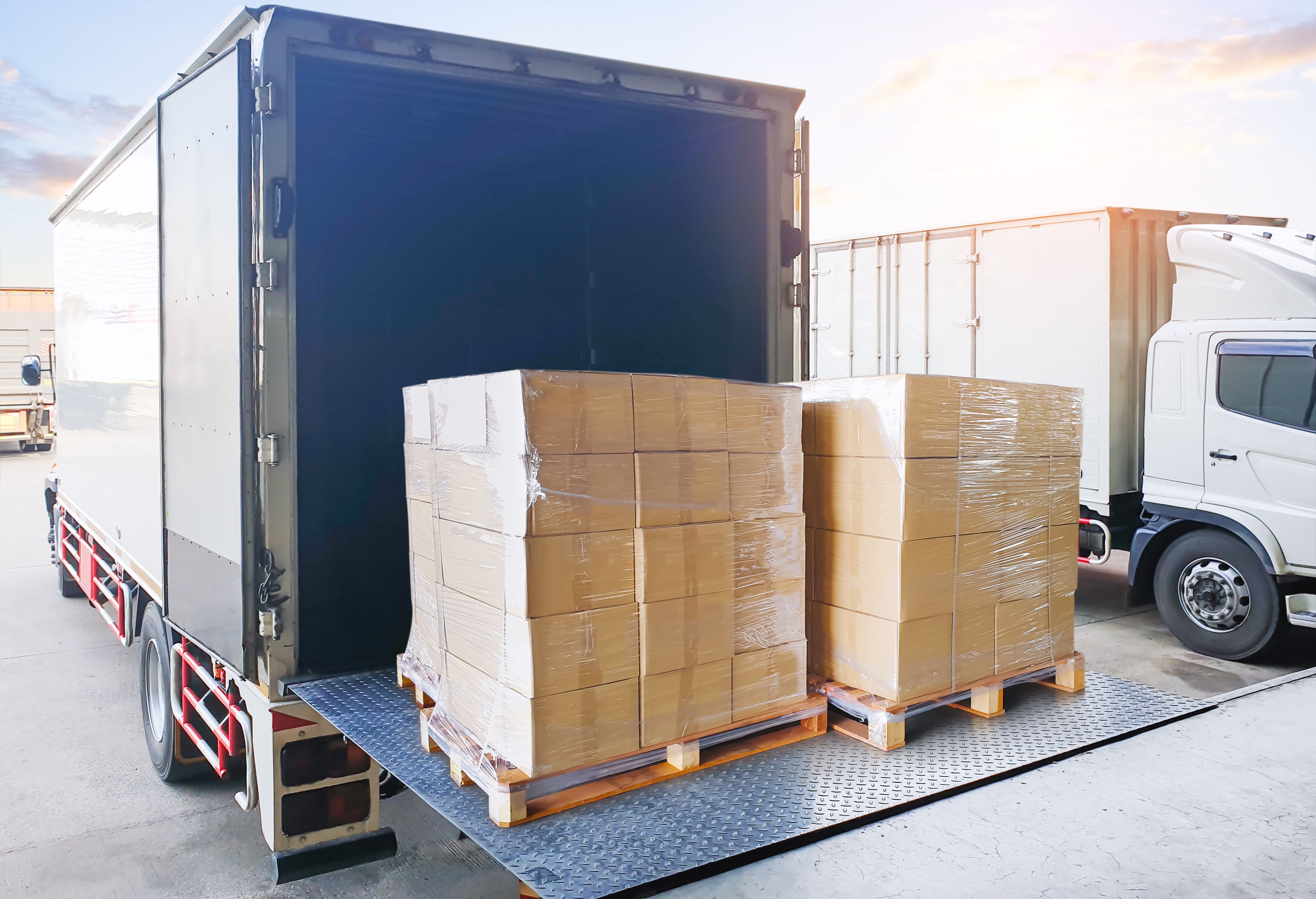
Income Potential: Dispatchers vs. Drivers
The potential earnings in both dispatching and driving can vary greatly based on experience, location, and the specific sector of the industry. Generally, drivers earn a salary based on mileage, hours, or a combination of both. Experienced drivers, especially those with specialized skills, can earn a competitive income.
Dispatchers, on the other hand, may have a more consistent salary, often augmented with bonuses for efficiency and performance. Their income can also increase with experience and responsibility, such as managing larger fleets or more complex logistics operations.
Factors Influencing Earnings
Several factors can influence earnings in both careers:
- Experience: More experience usually means higher pay in both fields.
- Location: Earnings can vary significantly by region due to cost of living and demand.
- Specialization: Specialized driving skills, such as hazmat or oversized loads, often lead to higher pay.
- Technology Proficiency: Dispatchers with skills in advanced logistics software may command higher salaries.

Work-Life Balance: Considerations for Each Path
Work-life balance is a significant consideration in choosing between dispatching and driving. Drivers often spend long hours on the road, which can impact personal time and family life. The unpredictability of schedules can also be a challenge.
Dispatchers generally work in office settings with more predictable hours. This can provide a better work-life balance, though the role can be stressful due to the need for constant coordination and problem-solving.
Advantages of Each Role
Here are some advantages to consider for each career:
- Driving: Independence, travel opportunities, and potential for high earnings with experience.
- Dispatching: Consistent hours, office environment, and opportunities for career progression.

Career Progression and Opportunities
Both dispatching and driving offer paths for career progression. Drivers can advance to roles such as lead driver or trainer, and eventually move into management positions within a logistics company. Additionally, experienced drivers may choose to become owner-operators, increasing their earning potential.
Dispatchers can progress to senior dispatch roles, operations management, or logistics coordination. Their skills in managing logistics can also be transferable to other industries, providing diverse career opportunities.
Conclusion: Finding Your Path
Deciding between dispatching and driving ultimately depends on your personal preferences, career goals, and lifestyle considerations. Both paths offer viable routes to financial freedom, but require different commitments and skill sets.
Whether you prefer the open road or the challenge of logistics coordination, both careers contribute significantly to the transportation industry and can offer fulfilling and lucrative opportunities.