
Comparing Box Truck and Traditional Trucking: Which Is Right for You?


When deciding between a box truck and traditional trucking for your business, it's essential to understand the differences and benefits each option offers. Both have their unique advantages, and choosing the right one depends on your specific needs and requirements.
Understanding Box Trucks
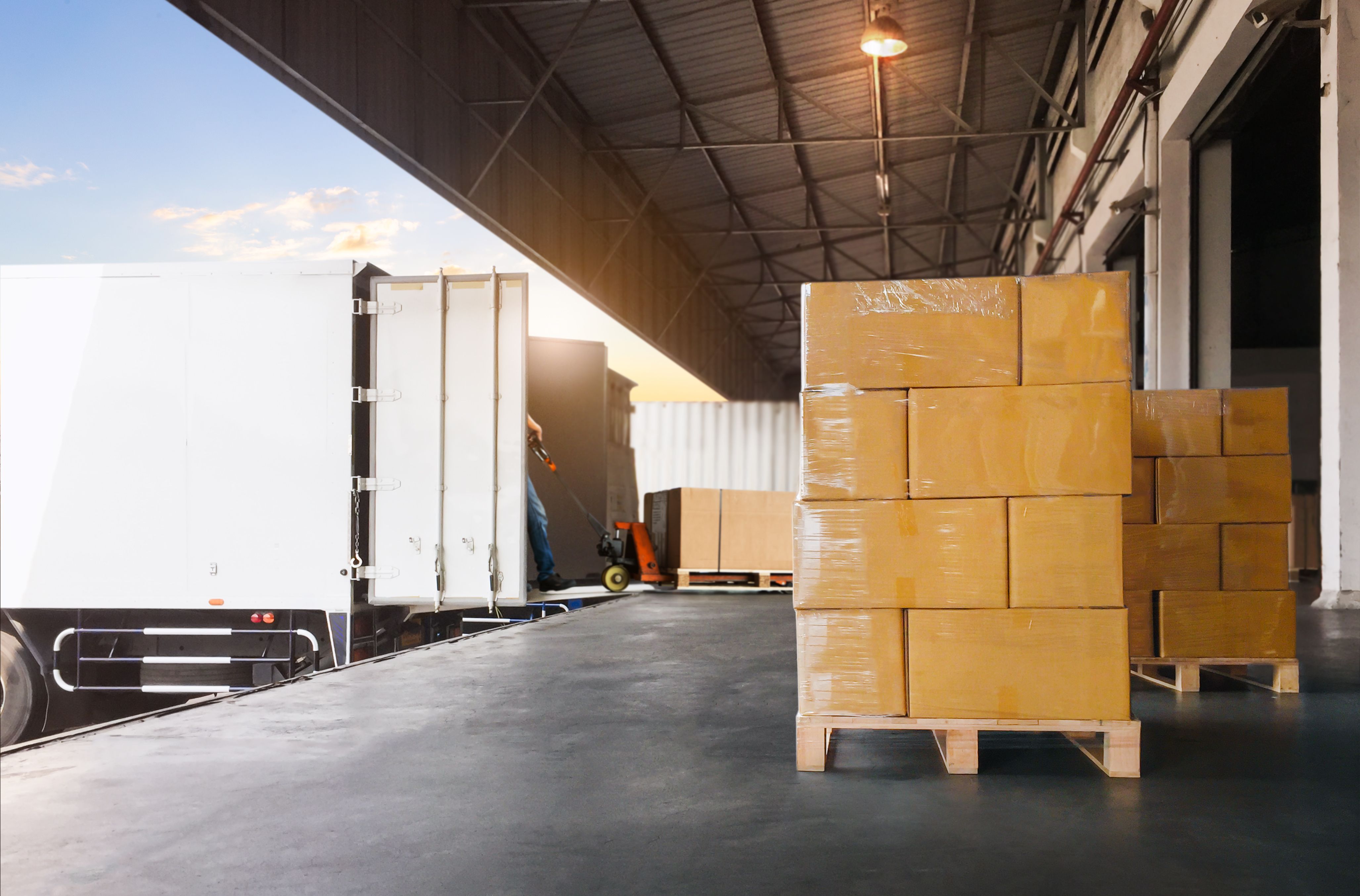
Box trucks, also known as cube vans or straight trucks, are vehicles with an enclosed cargo area. These trucks are ideal for transporting goods that require protection from the elements. Their enclosed design ensures that your cargo remains safe and secure during transit.
A key advantage of box trucks is their maneuverability. Due to their compact size, they can easily navigate urban environments and tight spaces. This makes them an excellent choice for deliveries in cities where space is a premium.

Capacity and Versatility
Box trucks come in various sizes, typically ranging from 10 to 26 feet. This variety allows businesses to choose a size that best fits their cargo needs. While they may not carry as much as larger traditional trucks, their versatility is a significant advantage.
They are suitable for a range of industries, including moving services, retail deliveries, and catering. Their ability to function in diverse roles makes them a valuable asset for many businesses.
The Traditional Trucking Advantage
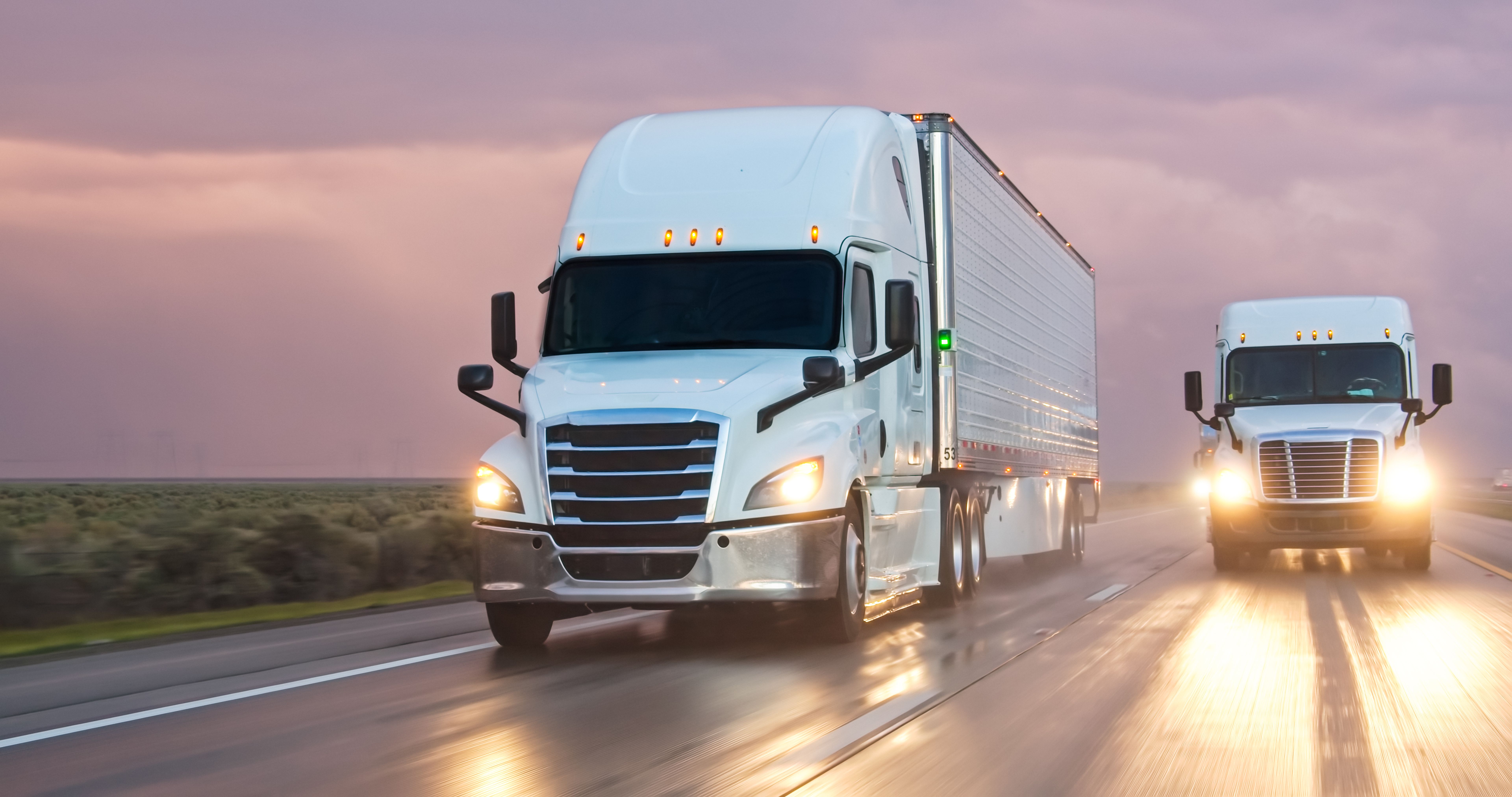
Traditional trucking, including semi-trucks and tractor-trailers, is known for its ability to transport large quantities of goods over long distances. These trucks are the backbone of the logistics industry, offering unparalleled capacity and efficiency.
Long-Haul Capabilities
If your business requires transporting goods across long distances, traditional trucks are often the better choice. Their large cargo areas can accommodate substantial loads, making them ideal for bulk shipments.
Additionally, traditional trucks are equipped with powerful engines designed for long-haul journeys, ensuring reliability and performance on extended trips.
Cost Considerations
When comparing costs, it's important to consider both initial investment and ongoing expenses. Box trucks generally have a lower purchase price and can be more fuel-efficient, which can lead to savings over time.

However, traditional trucks, while more expensive, often offer a higher return on investment for businesses that require large-scale transportation. Understanding your budget and transportation needs will help you make a more informed decision.
Making the Right Choice
Ultimately, the decision between a box truck and traditional trucking depends on your specific business needs. Consider factors such as cargo size, distance, budget, and the nature of your deliveries.
By evaluating these aspects, you can choose the option that will enhance your business operations and provide the best value for your transportation needs.