
Common Misconceptions About Box Truck Dispatching: Debunked


Understanding Box Truck Dispatching
Box truck dispatching plays a crucial role in logistics and transportation, yet it's often misunderstood. Many believe it's a straightforward task, but in reality, dispatching requires strategic planning and coordination. Here, we aim to debunk some common misconceptions about box truck dispatching.
One common misconception is that dispatchers merely assign trucks to drivers. While this is part of their role, dispatchers also handle scheduling, routing, and communication with both drivers and clients. They must ensure that deliveries are timely and efficient, which requires a keen understanding of logistics.
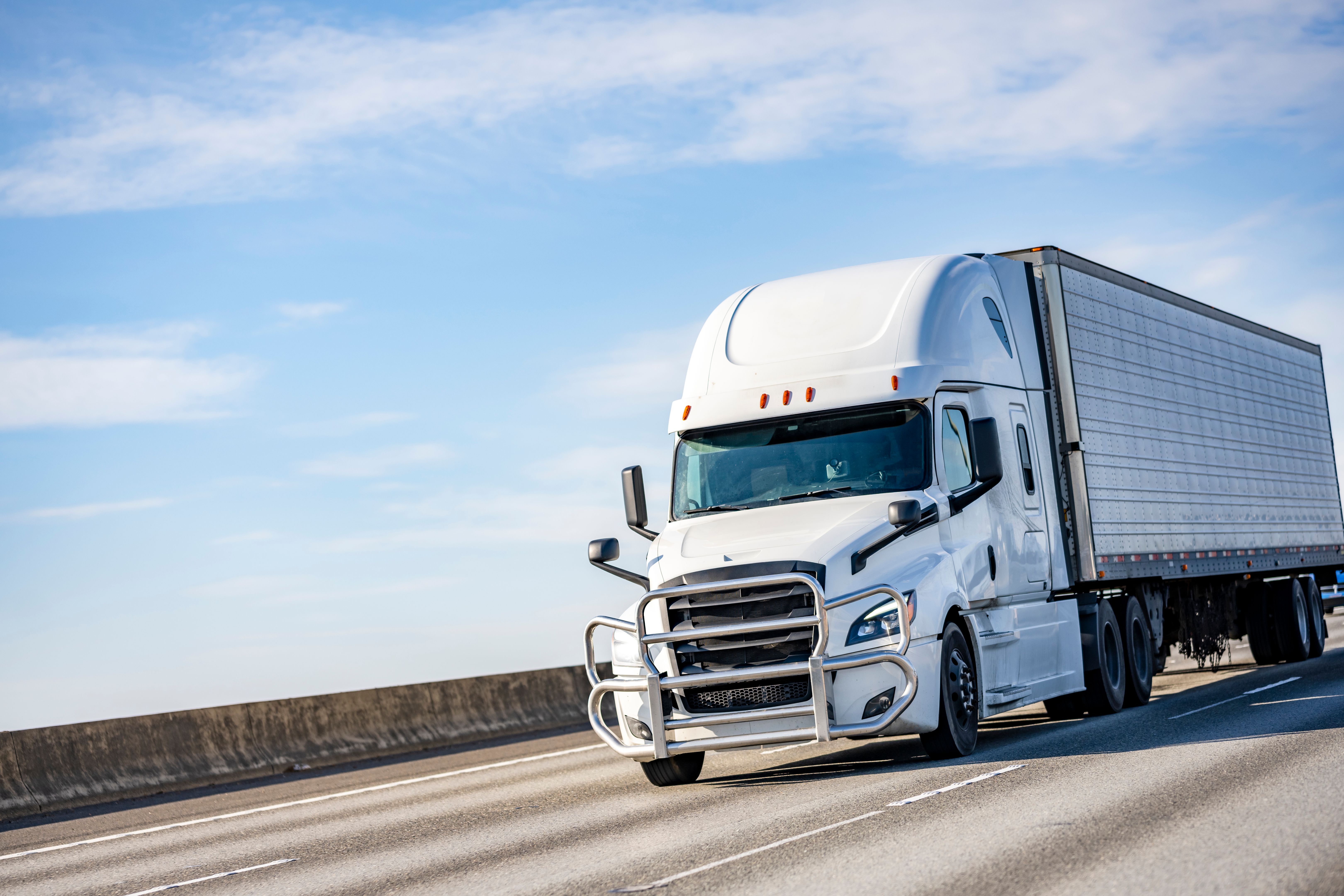
Myth: It's All About Technology
Another prevalent myth is that box truck dispatching is entirely reliant on technology. While GPS and routing software are vital tools, successful dispatching also depends on human judgment. Dispatchers must adapt to unexpected situations like traffic delays, weather changes, and client requests, which technology alone cannot handle.
Moreover, effective communication skills are essential. Dispatchers need to coordinate with drivers, negotiate with clients, and resolve issues promptly. This human element is critical to maintaining operations and ensuring customer satisfaction.
Misunderstanding the Role of a Dispatcher
Some people think dispatchers are there to micromanage drivers. However, their primary role is to support and facilitate drivers' work. Dispatchers provide the necessary information and resources to ensure that drivers can perform their duties efficiently and safely.

Drivers and dispatchers work as a team. The dispatcher is the driver's main point of contact, offering assistance and guidance whenever needed. This partnership is crucial for handling last-minute changes or emergencies.
Myth: All Dispatchers Are the Same
It's a mistake to assume that all dispatchers have the same skills and responsibilities. Depending on the company size and industry, dispatchers may have varied duties. In smaller companies, dispatchers might handle multiple roles, while larger companies may have specialized dispatch teams.
Additionally, the skills required can differ. Some dispatchers may focus more on customer service, while others might need advanced technical skills to manage complex routing systems. Recognizing these differences is essential when evaluating dispatching services.

Conclusion: The Reality of Box Truck Dispatching
Box truck dispatching is a multifaceted job that goes beyond assigning trucks and using technology. It involves strategic planning, effective communication, and the ability to adapt to changing circumstances. Understanding these realities helps in appreciating the critical role dispatchers play in the logistics industry.
By debunking these common misconceptions, we hope to provide a clearer picture of what box truck dispatching truly entails. Recognizing the complexities involved can lead to better appreciation and more informed decisions regarding logistics and transportation needs.